MIAAM Dataset
MIAAM is a large-scale mathematics learning dataset built from real interactions collected on the Adaptiv'Math and MIA Seconde adaptive learning platforms.
The dataset links student attempts to exercise content and pedagogical context. Released resources include:
- attempt-level interaction logs with anonymized identifiers, exercise identifiers, submitted answers, correctness, timing, work mode, and attempt order;
- exercise-level metadata including gameplay type, structured content, expected answer, feedback, curriculum mapping, and pedagogical intents;
- screenshots of rendered exercise interfaces for visual and multimodal analysis;
- objective-level and activity-level prerequisite graphs used to structure adaptive progression;
- filtered experiment-ready tables, preprocessing scripts, baseline evaluation code, and visualization tools.
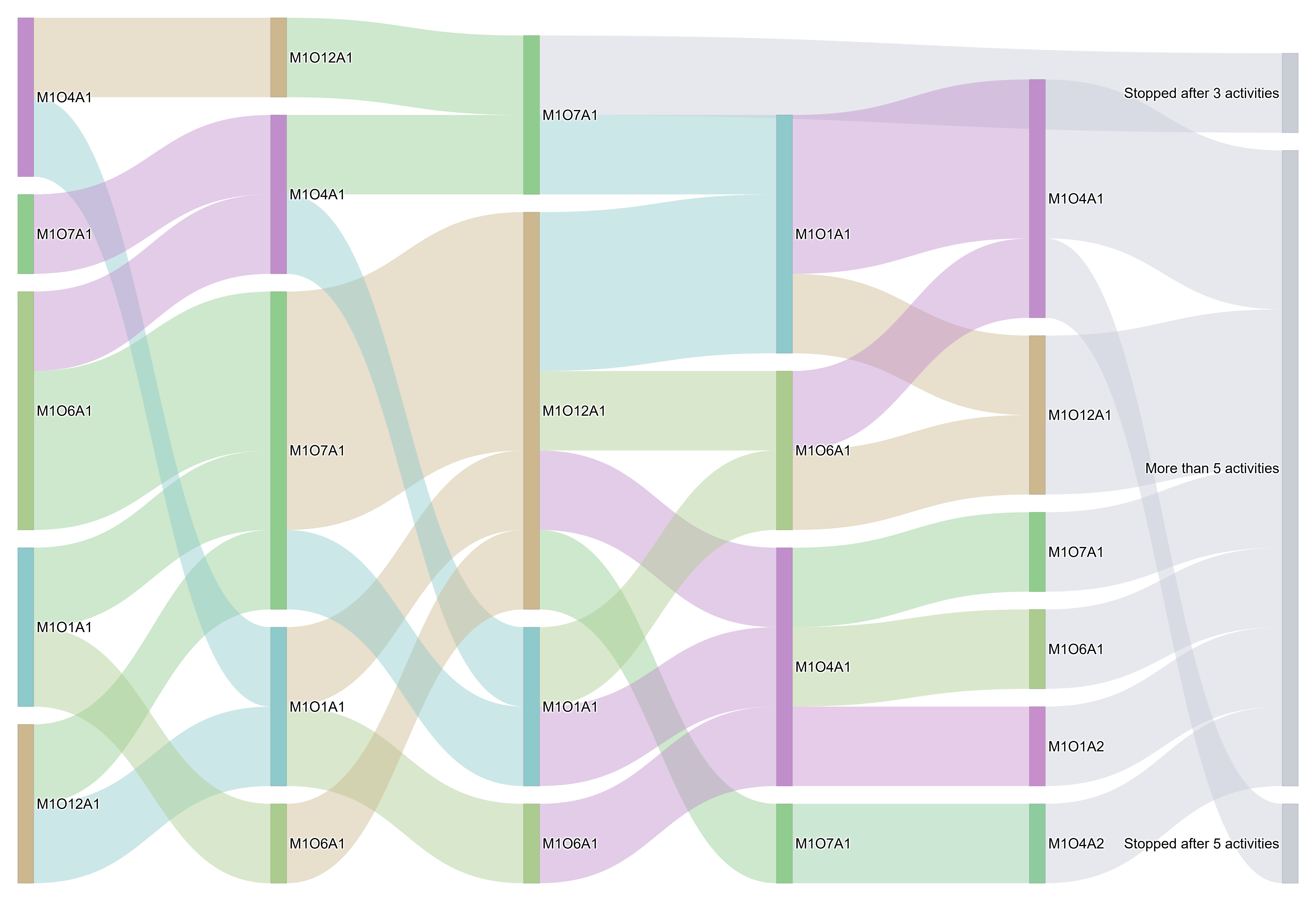
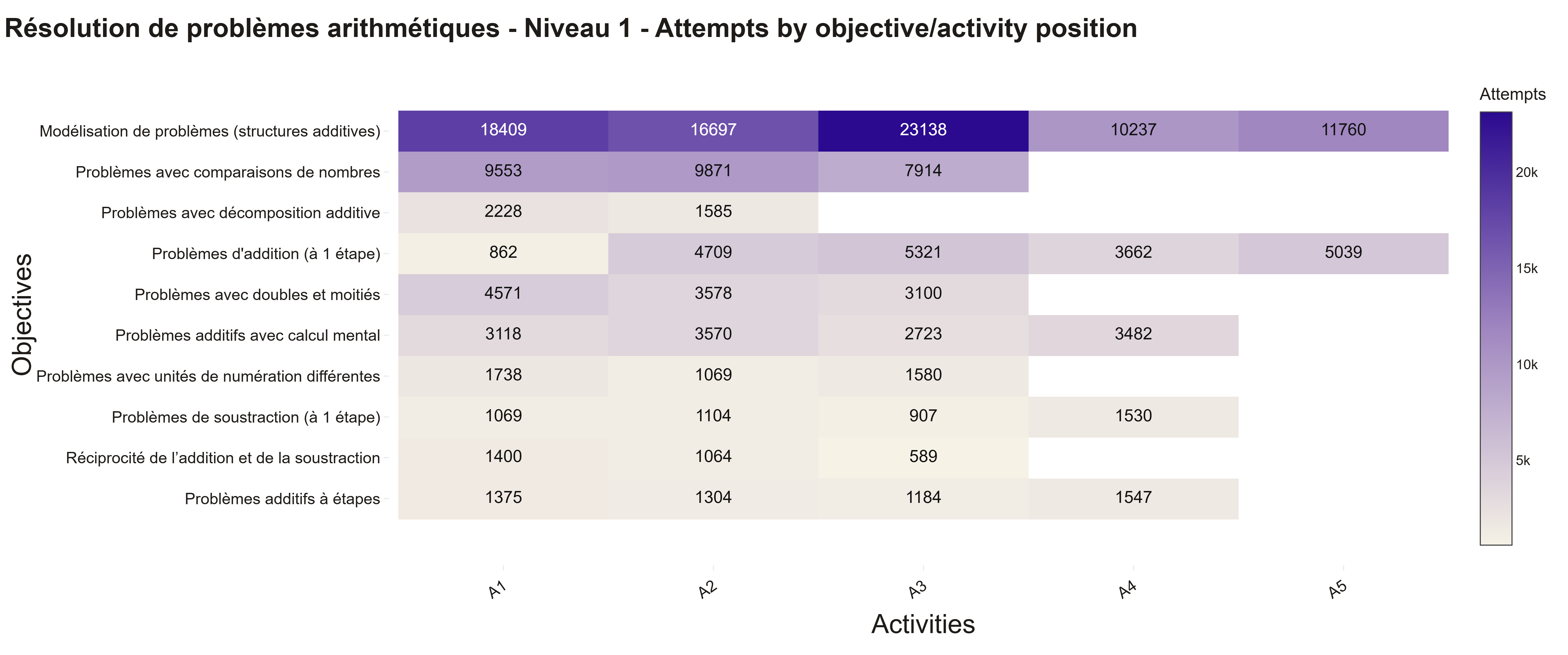
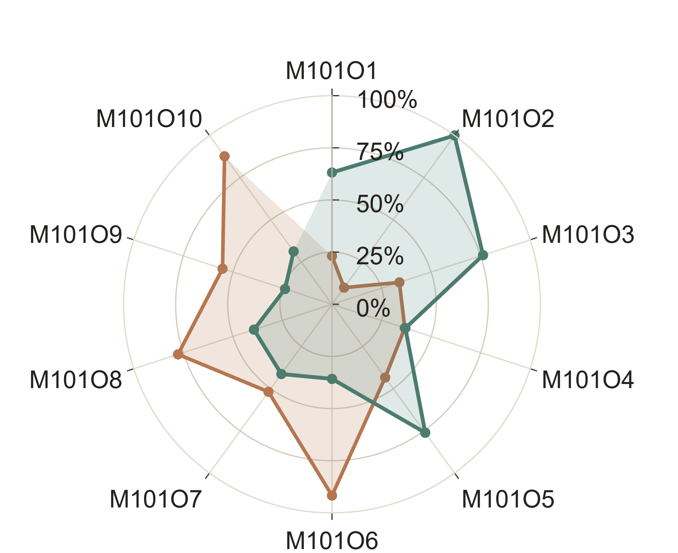
The companion visualization application can generate several complementary views of learning trajectories.
Physics Dataset
The Physics dataset contains expert-designed physics and chemistry activities prepared as reference material for synthetic exercise generation. It is based on open educational resources and adapted to EvidenceB-style interactive activities, with pedagogical metadata and structure suitable for downstream generation and validation.
This dataset supports the generation of new exercises from expert references while preserving target objectives, activity formats, and pedagogical constraints.
Evaluation Goals
GAIMHE uses these resources to evaluate several families of models and methods.
Knowledge tracing
Predict future student performance from interaction histories.
Multimodal modeling
Use exercise text, screenshots, answers, and pedagogical metadata.
Efficient student models
Keep evaluation methods practical for large-scale adaptive learning.
Generation validation
Assess exercises, hints, distractors, feedback, and visualization tools.
Data Protection and Access
Educational data is treated as high-stakes data. Public datasets are anonymized and minimized before release: student, classroom, and session identifiers are anonymized; temporal information is transformed to preserve order and durations without exposing direct timestamps; names, school identifiers, demographic free text, and geographic identifiers are not shared.
Some resources are distributed through gated access on Hugging Face so users acknowledge the license and intended use conditions before downloading the data. This allows GAIMHE to support open research while preserving safeguards around sensitive educational traces.